
Quick Answer
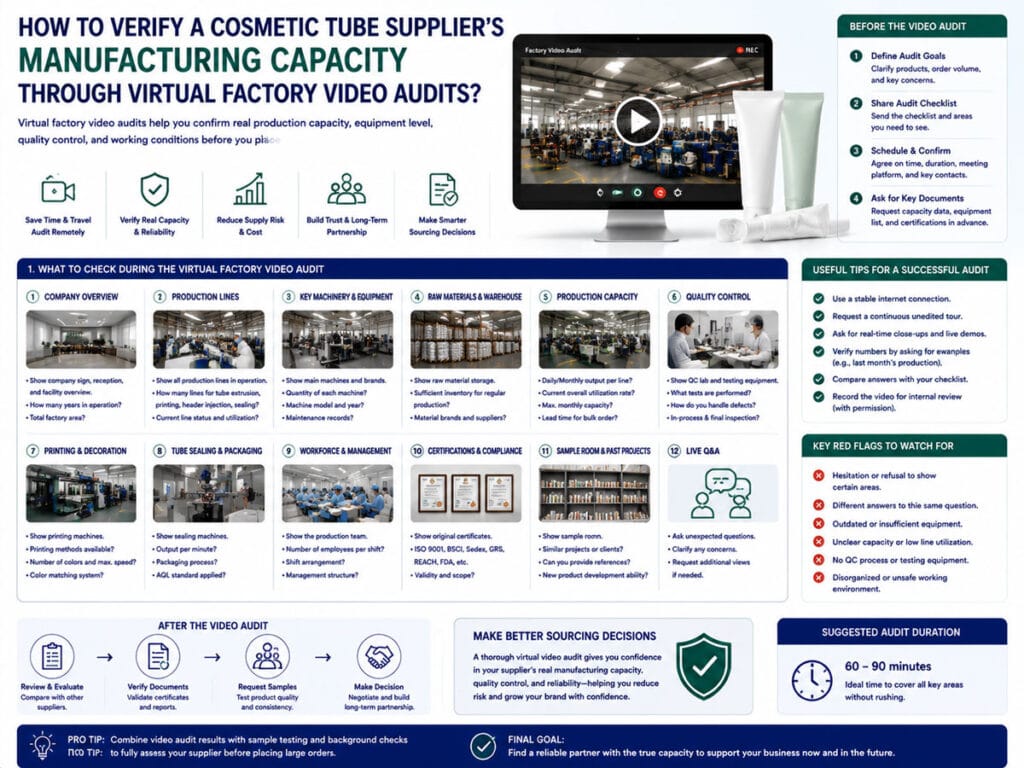
A procurement manager can verify a cosmetic tube supplier’s manufacturing capacity through a virtual factory video audit by checking real production equipment, active production lines, raw material storage, quality control laboratories, warehouse operations and production records instead of relying only on supplier presentations or photos.
A professional virtual factory audit should confirm whether the supplier actually owns the claimed machines, has sufficient production capacity, follows quality procedures and can consistently deliver the required MOQ and lead time.
For international cosmetic brands, visiting every packaging supplier in person is often expensive and time-consuming. Virtual factory audits have become an effective first-step verification method before placing large OEM orders.
However, a simple factory video tour is not enough. A supplier can prepare a staged presentation that does not represent daily production conditions. Procurement managers need a structured audit checklist to verify real manufacturing capability.
Why Should Buyers Conduct Virtual Factory Audits Before Ordering Cosmetic Tubes?
Verify Real Production Capability
Confirm whether the supplier has extrusion lines, printing machines, injection molding equipment and assembly capability.
Reduce Supplier Risk
Identify whether the company is a real manufacturer or only a trading company.
Validate Capacity Claims
Compare claimed monthly output with actual machines, workers and production schedules.
Check Quality Systems
Review QC inspection points, laboratories and defect management procedures.
Confirm Lead Time Ability
Evaluate whether the supplier can support your launch timeline and repeat orders.
Improve Procurement Confidence
Make better supplier decisions before deposits, tooling investment and mass production.
What Should Be Verified During a Virtual Cosmetic Tube Factory Audit?
| Audit Area | What Procurement Should Check | Risk Identified |
|---|---|---|
| Factory Exterior | Company sign, factory building, production location and operating environment. | Fake factory information or unclear manufacturing location. |
| Production Floor | Extrusion machines, tube making lines, printing equipment and assembly areas. | Supplier may outsource all production. |
| Equipment Quantity | Number, model and working condition of production machines. | Insufficient capacity for large orders. |
| Raw Material Warehouse | PE resin, PCR materials, EVOH, aluminum laminate and packaging storage. | Material availability and traceability problems. |
| Quality Control Area | Inspection equipment, testing process and QC records. | Uncontrolled production quality. |
| Finished Goods Warehouse | Production inventory, carton packing and shipment preparation. | Weak logistics management. |
Factory Engineer Recommendation
Do Not Only Watch the Factory Tour — Verify the Process Flow
A reliable virtual audit should follow the complete manufacturing route:
- Raw material receiving.
- Tube extrusion or laminate tube production.
- Shoulder molding and tube forming.
- Printing and decoration process.
- Cap injection molding.
- Quality inspection.
- Carton packing and warehouse storage.
The purpose is to confirm that the supplier controls the complete production process rather than only showing finished products.
How to Verify a Cosmetic Tube Supplier’s Actual Manufacturing Capacity?
Many suppliers advertise high production capacity, but procurement managers should verify whether the claimed output matches real equipment capability.
A virtual factory audit should not only ask, “How many pieces can you produce?” It should verify the production calculation behind the number.
| Capacity Verification Item | What To Verify | Example Evaluation Method |
|---|---|---|
| Number of Production Lines | Confirm the quantity of tube extrusion, laminate, printing and injection molding machines. | Ask the supplier to show each machine during live video. |
| Machine Running Status | Check whether machines are actually producing or only displayed as equipment. | Request live production demonstration. |
| Daily Output Calculation | Compare machine speed, working hours and production yield. | Output = Machines × Speed × Working Hours × Efficiency. |
| Labor Capacity | Verify operators, QC staff and production workers. | Compare workforce size with claimed monthly output. |
| Current Production Load | Understand whether existing orders affect your delivery schedule. | Review production planning board or schedule. |
| Warehouse Capacity | Check whether finished goods storage supports large shipments. | Observe carton storage area and shipment preparation. |
How Can Buyers Calculate Whether a Supplier’s Capacity Claim Is Real?
A simple capacity calculation can help procurement teams identify unrealistic claims.
Factory Capacity Calculation Example
Assume a cosmetic tube factory has:
- 5 tube extrusion lines.
- Each line produces 40,000 tubes per day.
- 25 working days per month.
- 90% production efficiency.
Estimated monthly capacity:
5 × 40,000 × 25 × 90% = 4,500,000 tubes/month
If a supplier claims 20 million tubes/month but only shows two small production lines, the buyer should request additional evidence.
How to Identify a Trading Company Pretending to Be a Factory?
Some packaging suppliers present themselves as manufacturers but outsource most production. A virtual audit can reveal warning signs.
| Warning Sign | Possible Risk | How To Verify |
|---|---|---|
| Only Shows Finished Products | May not own production equipment. | Request production floor video. |
| Avoids Showing Machines | Possible outsourcing model. | Ask for live machine demonstration. |
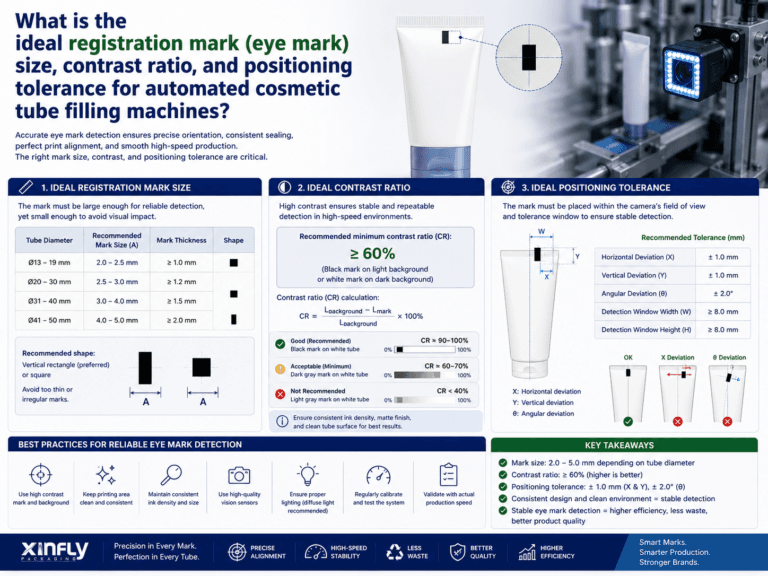
| Cannot Explain Production Process | Limited manufacturing knowledge. | Ask technical questions about extrusion, printing and sealing. |
| No QC Department | Quality depends on external suppliers. | Request inspection area and QC records. |
| Unclear Factory Address | Possible intermediary. | Verify factory location and company information. |
What Areas Should Be Shown During a Virtual Factory Video Audit?
A professional virtual audit should follow the actual production flow instead of only showing a showroom.
1. Raw Material Warehouse
Check PE resin, PCR materials, EVOH, aluminum laminate and material identification systems.
2. Tube Production Area
Verify extrusion machines, tube forming process and production speed.
3. Printing Department
Inspect offset printing, silk screen, hot stamping and decoration equipment.
4. Injection Molding Area
Check cap production capability and mold management.
5. Quality Laboratory
Review testing equipment, inspection procedures and QC records.
6. Finished Goods Warehouse
Confirm packing standards, inventory control and shipment preparation.
How Should Buyers Verify Cosmetic Tube Quality Control During a Virtual Audit?
Manufacturing capacity is meaningless without stable quality control. Buyers should verify whether the factory has systematic inspection procedures.
| QC Area | Verification Point |
|---|---|
| Incoming Material Inspection | Check whether raw materials are tested and recorded before production. |
| Tube Dimension Testing | Verify measurement tools for diameter, length, weight and wall thickness. |
| Printing Inspection | Check color matching, registration accuracy and ink adhesion testing. |
| Leak Testing | Confirm sealing and leakage inspection procedures. |
| Appearance Inspection | Verify defect classification and AQL inspection process. |
| Final Shipment Inspection | Check carton inspection and shipment approval procedures. |
What Production Records Should a Supplier Show During a Virtual Audit?
A professional manufacturer should be able to demonstrate basic production traceability.
- Production orders and scheduling records.
- Machine maintenance records.
- Quality inspection reports.
- Material batch tracking.
- Finished goods inspection records.
- Customer complaint and corrective action records.
- Training records for production operators.
Procurement Warning: A supplier that refuses to show production records, QC procedures or equipment details during a virtual audit may have limited manufacturing control or may rely heavily on external outsourcing.
How to Verify Whether a Supplier Can Meet Your MOQ and Lead Time?
Capacity verification should connect directly with your purchasing requirements.
| Your Requirement | What To Confirm |
|---|---|
| Large MOQ Order | Check monthly available capacity and current production loading. |
| Fast Launch Timeline | Verify mold availability, production schedule and printing capacity. |
| Multiple SKUs | Confirm changeover capability and production flexibility. |
| Custom Printing | Check printing department capacity and artwork management. |
| Repeat Orders | Review historical production stability and quality consistency. |
Virtual Factory Audit Supplier Scoring System
After completing a virtual factory video audit, procurement teams should score suppliers objectively instead of making decisions only based on price or communication.
| Audit Category | Weight | Evaluation Criteria |
|---|---|---|
| Manufacturing Capability | 30% | Production lines, equipment quantity, automation level and actual output capability. |
| Quality Management | 25% | QC procedures, testing equipment, AQL system and corrective action process. |
| Technical Experience | 20% | Knowledge of PE, PCR, ABL, PBL, EVOH and custom tube development. |
| Production Transparency | 15% | Willingness to show factory operations, records and production workflow. |
| Communication Ability | 10% | Response speed, technical support and project management capability. |
What Questions Should Buyers Ask During a Virtual Factory Audit?
Common Mistakes Buyers Make During Virtual Factory Audits
| Mistake | Why It Happens | Better Approach |
|---|---|---|
| Only Watching a Product Showroom | Finished products create a false impression of manufacturing capability. | Request a complete production process tour. |
| Accepting Supplier Capacity Claims Without Calculation | Numbers may be marketing estimates. | Verify machines, speed and working hours. |
| Ignoring Quality Systems | Low price suppliers may lack inspection control. | Review QC procedures and records. |
| Not Checking Raw Materials | Material quality affects tube performance. | Inspect resin, PCR, EVOH and laminate storage. |
| Skipping Technical Questions | Sales teams may not understand manufacturing limitations. | Ask engineering-level questions. |
What Technical Questions Reveal a Real Cosmetic Tube Manufacturer?
A real manufacturer should understand not only production quantities but also technical challenges.
Material Knowledge
Can explain differences between LDPE, LLDPE, HDPE, PCR, sugarcane PE, ABL, PBL and EVOH.
Printing Capability
Understands silk screen, offset printing, hot stamping, UV coating and artwork limitations.
Formula Compatibility
Can recommend tube structures for retinol, vitamin C, SPF, essential oils and active ingredients.
Filling Support
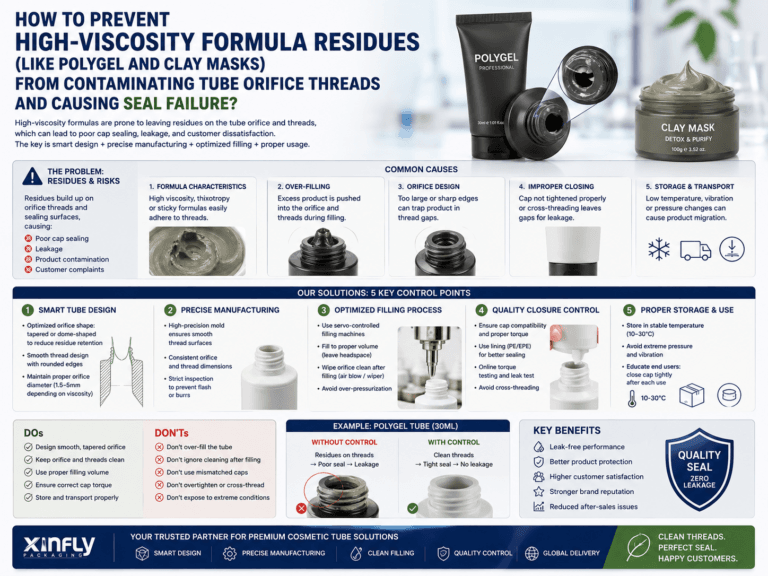
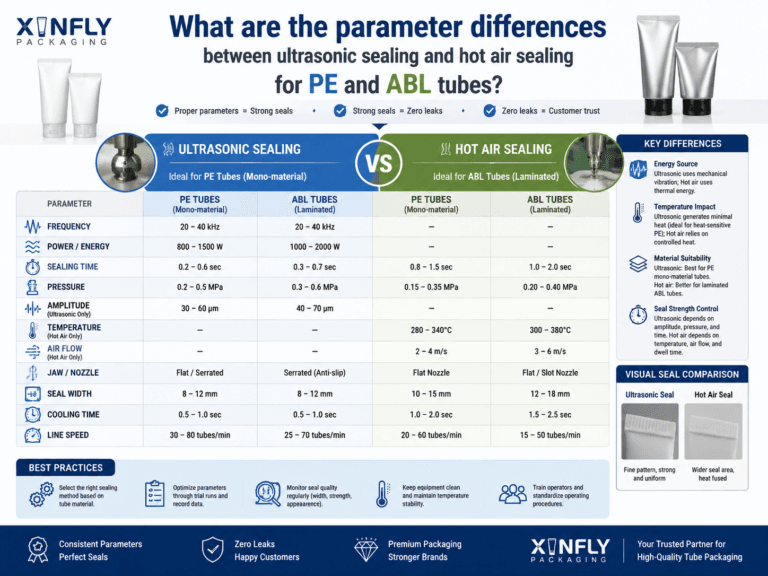
Understands tube sealing requirements and compatibility with filling machines.
Quality Control
Can explain inspection standards, AQL levels and defect handling procedures.
Export Experience
Understands international packaging requirements and shipping risks.
How Often Should Buyers Perform Factory Audits?
The frequency depends on order value, supplier relationship and product complexity.
| Situation | Recommended Audit Frequency |
|---|---|
| First-Time Supplier | Perform virtual audit before sample approval or large deposit payment. |
| High-Volume Production | Annual factory review or periodic quality audit recommended. |
| New Product Development | Audit before tooling investment and mass production. |
| Quality Problems Occur | Conduct corrective action review and follow-up audit. |
Procurement Manager Final Checklist Before Selecting a Cosmetic Tube Supplier
Factory Engineer Final Recommendation
A Video Audit Should Verify Capability, Not Just Appearance
A professional cosmetic tube supplier should be able to demonstrate the complete manufacturing system behind the product:
- Stable raw material supply.
- Reliable production equipment.
- Experienced technical team.
- Controlled printing and decoration process.
- Professional quality management.
- Consistent international delivery capability.
Virtual factory audits are not a replacement for physical inspections, but they are an efficient first step to reduce supplier risks before international buyers commit to large OEM packaging projects.
Related Cosmetic Tube Manufacturing Resources
- How to Request Cosmetic Tube Samples for Testing
- AQL Quality Standards for Cosmetic Packaging
- Hidden Costs When Buying Cosmetic Tubes From China
- Custom Cosmetic Tube Manufacturer
Need a Reliable Cosmetic Tube Manufacturing Partner?
Xinfly Packaging provides OEM cosmetic tubes with verified manufacturing capability, quality control systems and global export experience.
Request Factory Information Explore Custom Tubes