

Are Cosmetic Tubes Recyclable?
Yes, many cosmetic tubes are recyclable, but recyclability depends on the tube material, structure, cap, decoration, and local recycling system. Mono-material PE…

Yes, many cosmetic tubes are recyclable, but recyclability depends on the tube material, structure, cap, decoration, and local recycling system. Mono-material PE…

EVOH (Ethylene Vinyl Alcohol) is a high-performance barrier material used in cosmetic tubes to prevent oxygen, moisture, and light from degrading sensitive…
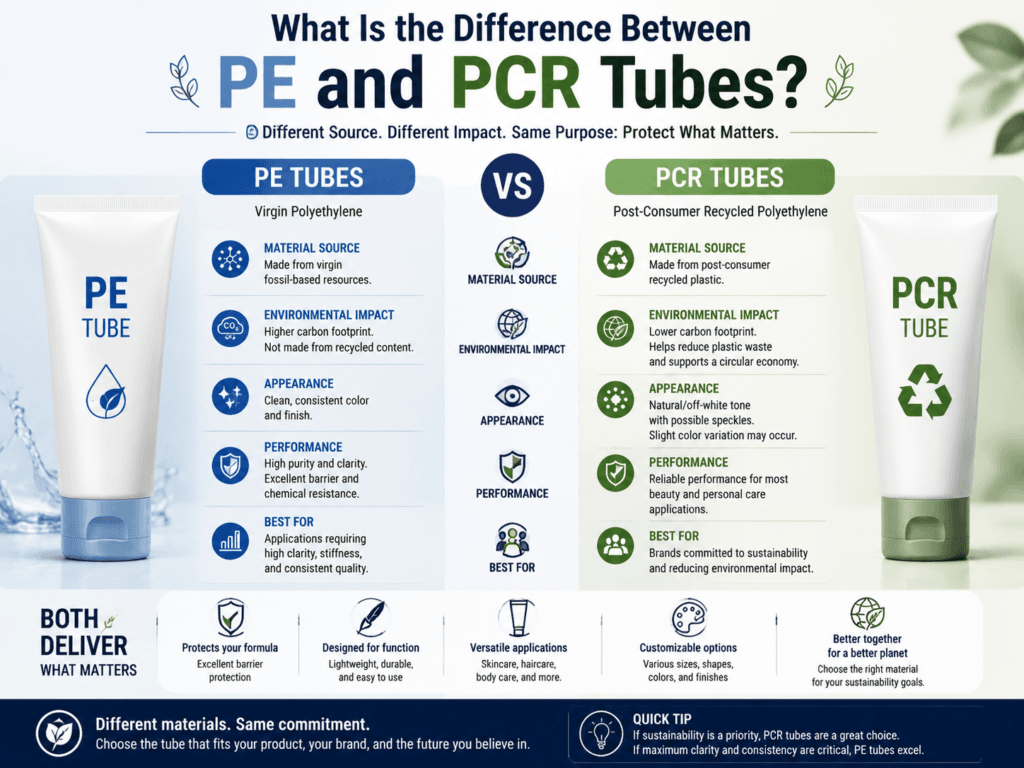
PE (Polyethylene) tubes are made from virgin plastic, offering uniform color and flexibility, whereas PCR (Post-Consumer Recycled) tubes are made from recycled…
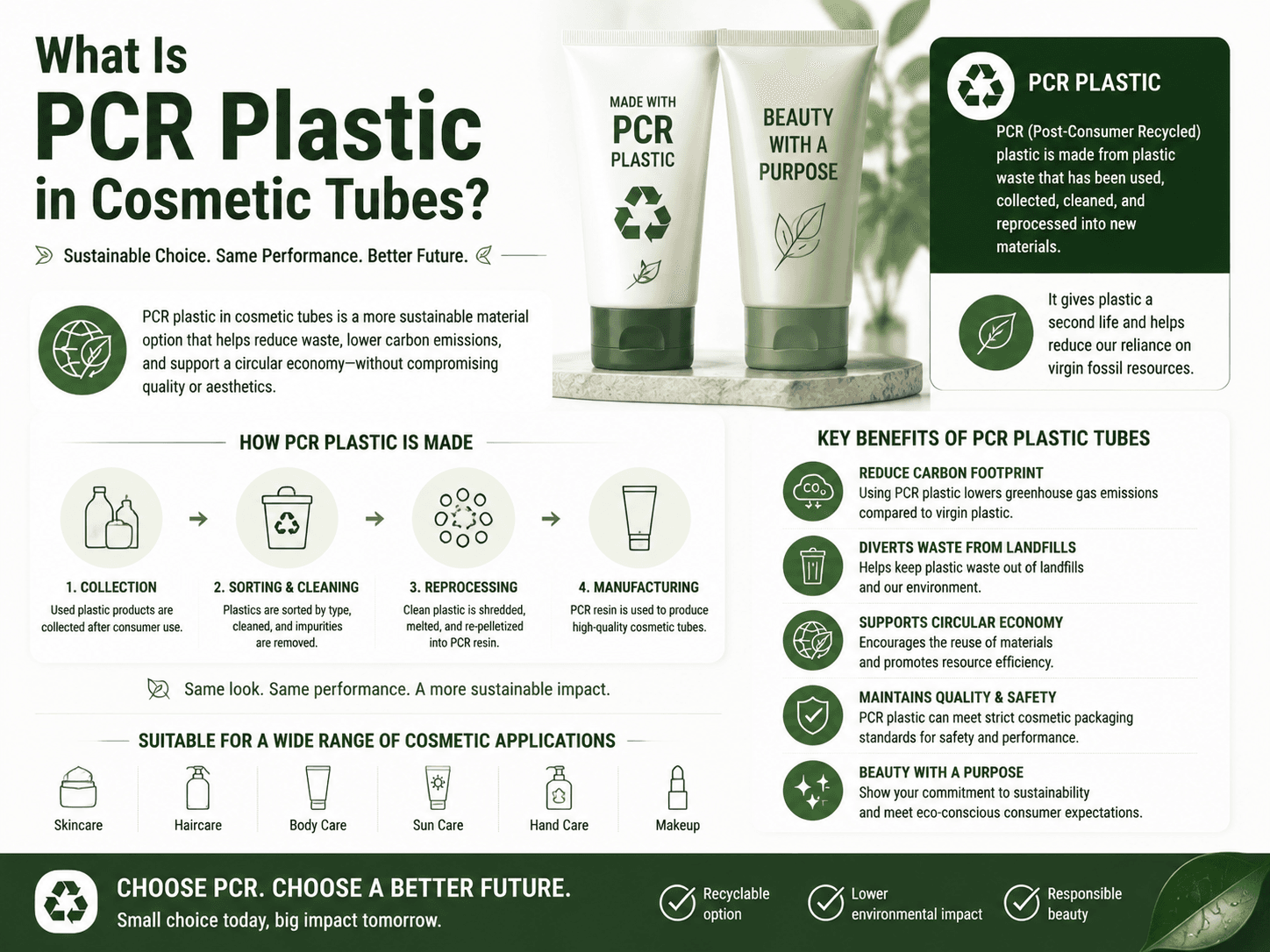
PCR plastic, short for Post-Consumer Recycled plastic, is recycled plastic material made from used plastic products that have been collected, cleaned, processed,…

Cosmetic tubes are made from a variety of materials depending on the product, desired barrier properties, and environmental considerations. Common tube materials…

Most customers receive a detailed quotation for custom cosmetic tubes within 24–48 hours after submitting complete product requirements. Some simple requests (like…

To receive an accurate cosmetic tube quotation, you should provide the basic tube specifications, material requirements, printing details, order quantity, and destination…

Yes, startups and small brands can absolutely order custom cosmetic tubes from Xinfly Packaging. We offer flexible MOQ solutions, stock tubes, and…

Yes, you can mix different artwork in one cosmetic tube order, but each artwork usually needs to be reviewed separately because printing…

Yes, you can mix different tube sizes in one order, but minimum order quantities (MOQ) are calculated per size. This allows brands…

Yes — you can order less than 5,000 cosmetic tubes, but typically this requires choosing specific options such as stock tubes, partial…

At Xinfly Packaging, the Minimum Order Quantity (MOQ) for custom cosmetic tubes depends on the tube type, printing method, and material. We…