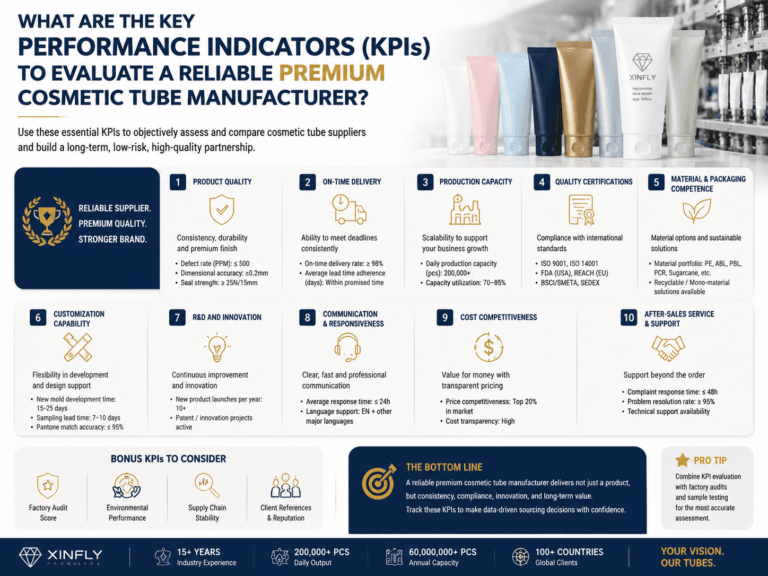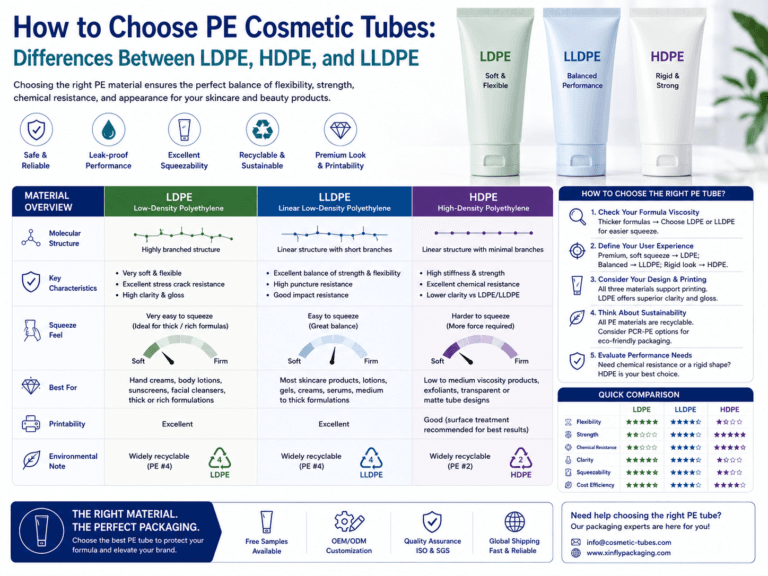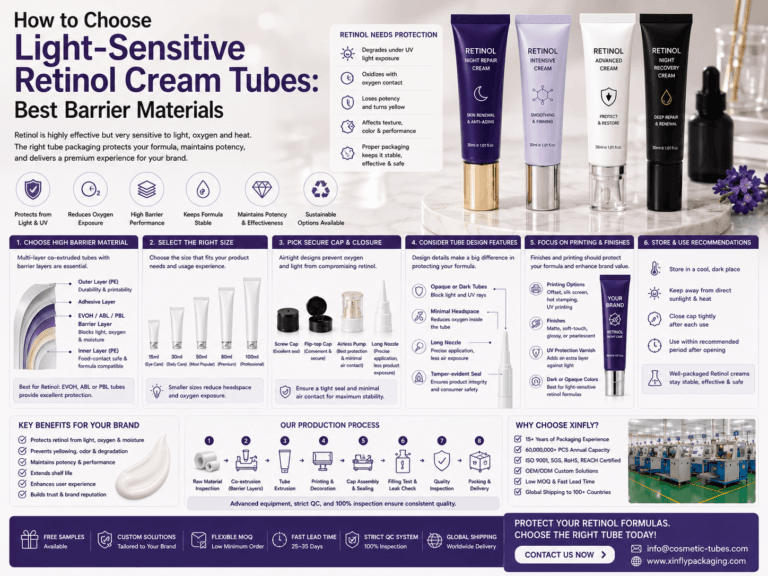
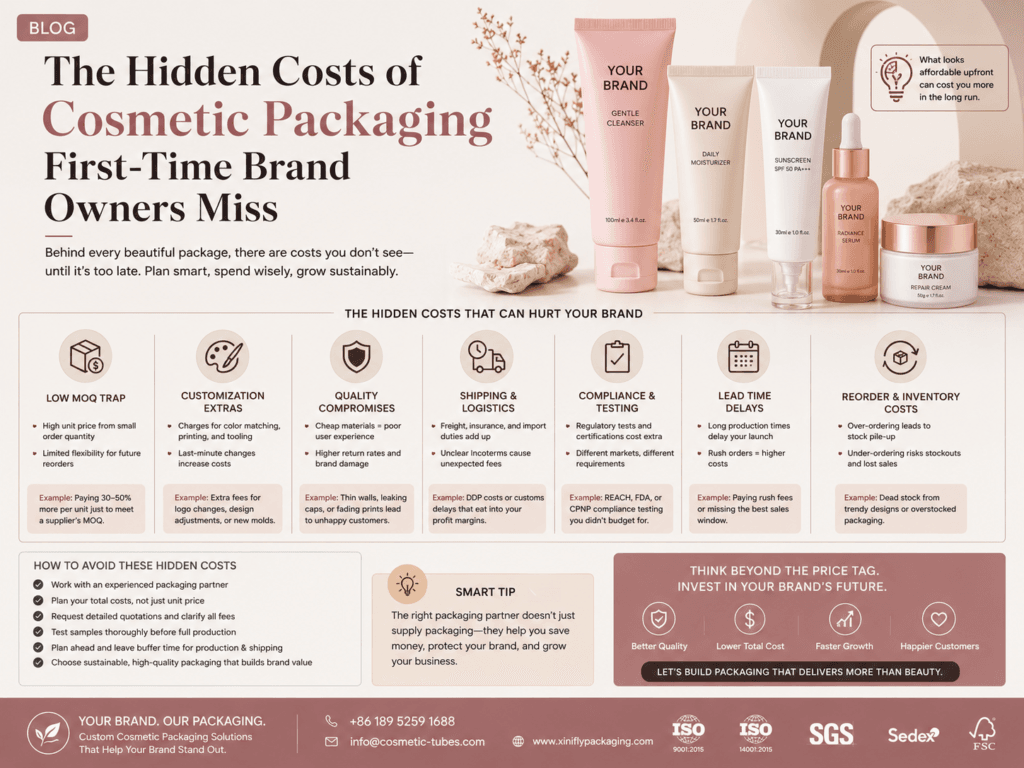
What hidden costs in cosmetic packaging do you miss as a new founder? Many brands look only at the price and forget about other costs that can hurt profits. Bad packaging choices can cause problems with the product, slow down rules approval, and even make you redo your launch. Your choices affect more than just money—they also change how people see your brand and if they trust you.
| Packaging Type | Initial Cost | Hidden Costs | Long-term Benefits |
|---|---|---|---|
| Plastic | Low | High (pollution, health risks, brand damage) | None |
| Glass | High | Low (sustainability incentives) | Stronger brand reputation, higher perceived value |
Picking the right cosmetic packaging helps your brand avoid problems and keeps your business safe.
Key Takeaways
- Pick packaging that looks good and works well. This helps you avoid paying for returns. Choose the right materials so things do not break or cost more to ship. Eco-friendly packaging can make your brand look better, but it might cost more at first. Make sure you follow labeling rules so you do not get fined and your brand stays trusted. Ask experts for help to find hidden costs and keep things running smoothly.
Hidden Costs in Cosmetic Packaging Materials
Aesthetics vs. Functionality
It is easy to want packaging that looks nice. Bright designs can make people notice your product. But pretty packaging can hide big problems. If you pick packaging for looks, your product might get damaged. This can make more people return what they bought. For example, a fancy bottle with a weak cap can leak. A thin box can get crushed when shipped. Labels that fade can make your brand look cheap.
When packaging fails, people return products. Returns cost a lot of money. Here is how returns can lower your profits.
| Problem | Potential Return Rate | Loss per $100K Revenue |
|---|---|---|
| Leaky skincare products | 5–10% | $5,000–$10,000 |
| Crushed jewelry boxes | 3–8% | $3,000–$8,000 |
| Faded beauty labels | 2–5% | $2,000–$5,000 |
Bad reviews can hurt your brand very fast. If customers get broken items, they leave one-star reviews. Most people read reviews before buying. Even a few bad reviews can hurt your brand. Make sure your packaging looks good and works well. This keeps your products safe and helps your business.
Material Selection Mistakes
Picking the wrong packaging materials can cost you more money later. Many new brand owners do not see these costs. Cheaper materials may seem like a good deal. But they can cause problems for your business. Thin paperboard can tear or crush during shipping. Glass looks fancy, but it needs extra protection. This means you pay more for extra packaging and shipping.
Here is a table that shows common packaging costs:
| Cost Element | Description | Typical % of Total |
|---|---|---|
| Material | Plastic, glass, paper, or metal | 40–60% |
| Decoration | Printing, coating, labeling | 10–20% |
| Molds & Setup | One-time tooling fees | 5–15% |
| Shipping & Duties | Freight, customs, insurance | 10–20% |
| Storage & Handling | Warehouse and damage | 5–10% |
You need to think about more than just price. Bad material choices can cause:
| Operational Inefficiency | Cause of Inefficiency |
|---|---|
| Product damage | Weak packaging can break during shipping or handling. |
| Increased returns | Bad packaging means more damaged products and unhappy customers. |
| Compliance risks | Poor labels can be hard to read or wear off. |
| Logistical challenges | Packaging that does not stack well makes storage and shipping harder. |
You can stop these problems by working with experts. Test your packaging before you launch. Always ask your supplier if the packaging is strong and can be recycled.
Sustainability Upcharges
Many people want eco-friendly packaging. But these options can cost more. Suppliers may charge extra for green materials or upgrades. Special papers and recycled plastics are often more expensive. Still, sustainable packaging can help your brand look better. It can bring in customers who care about the planet.
- If you follow rules early, you can save money and avoid fines.
- Eco-friendly packaging can make your brand stronger and help you stand out.
- Some suppliers use PCR production and can give you better prices.
Always ask if your packaging can be recycled. Check if your supplier has good green options at a fair price. Smart choices now can save you money and help your brand later.
Compliance and Regulatory Expenses
Labeling and Fines
You have to follow strict rules for cosmetic labels. Regulatory agencies check everything on your packaging. If you make mistakes, you pay hidden costs. Many brands pay fines because they miss small rules. Here is a table showing common violations:
| Common Violations | Description |
|---|---|
| Ingredient Order Errors | Listing active ingredients first instead of by weight. |
| INCI Name Mistakes | Using common names instead of correct INCI names. |
| Type Size Violations | Font size for net contents or ingredient list being too small. |
| Drug Claims on Cosmetics | Making claims that imply drug-like effects. |
| Missing Information Panel | Not providing required information on the package. |
| International Products | Using non-compliant labeling formats for the US market. |
Regulatory fines can cost thousands or millions of dollars. You could lose your facility registration or face product recalls. Some violations can even lead to criminal charges. You protect your brand by checking every label before launch.
Tip: Always ask a regulatory expert to review your packaging. This step saves money and stops expensive mistakes.
International Standards
When you sell in new countries, you face new rules. You must redesign packaging to meet environmental standards. You need to follow labeling rules and use recycled materials. These steps cost more money and create shipping problems. You also have to meet extended producer responsibility rules.
- You spend money on new packaging designs.
- You pay for extra materials and shipping.
- You learn each country’s rules.
Regulatory compliance is more than paperwork. You build trust with customers and keep product quality high. You make a plan for each market to avoid delays and extra costs.
Testing and Certification
You must test every cosmetic product for safety and stability. Regulatory agencies want proof your product is safe and stable. You pay for lab tests and certification fees. These costs add up fast. Testing and stability validation makes sure your product meets standards and stays safe during shipping.
- You schedule tests before launch.
- You keep records for every batch.
- You update certifications when rules change.
If you skip testing, you risk recalls and damage to your brand. You protect your business by making testing part of your process.
Design and Redesign Pitfalls
Cost of Redesign
You might think your packaging looks great, but mistakes can happen. If you find errors after production starts, you have to pay to fix them. Changing your packaging design costs more than you think. You pay for new artwork, new molds, and new printing plates. Sometimes, you must throw away old packaging. This waste hurts your budget.
Here is a table showing common redesign costs:
| Redesign Item | Typical Cost Range |
|---|---|
| Artwork Revision | $500 – $2,000 |
| Mold Adjustment | $1,000 – $5,000 |
| Plate Reprinting | $800 – $3,000 |
| Old Stock Disposal | $500 – $2,500 |
You can avoid these costs if you check your packaging early. Ask experts for feedback. Look at every detail before you approve production. Careful planning saves money and keeps your cosmetic brand safe.
Tip: Always ask for a digital proof before mass production. This step helps you spot mistakes early.
Printing and Prototyping Errors
Printing mistakes can ruin your packaging design. You might see blurry logos, wrong colors, or missing information. Prototyping errors cause problems too. If you skip testing, your packaging may not fit your product. You waste time and money fixing these issues.
Order samples before you print lots of boxes. Test your packaging with real products. Check color accuracy and label placement. Make sure your packaging matches your brand vision.
- Review every sample with your team.
- Ask your supplier for clear photos of prototypes.
- Use feedback to make your packaging better.
Mistakes in printing and prototyping can delay your launch. You lose sales and hurt your reputation. Careful checks help you avoid these hidden costs.
Logistics and Operational Hidden Costs
Shipping and Storage
You might think you know all your packaging costs. But shipping and storage can surprise you. The material and design you pick change how much you pay. Heavy glass jars cost more to ship than light paperboard boxes. Fancy designs need more space and special care. If you buy more units, each one costs less. But you need more room to store them.
| Factor | Impact on Costs |
|---|---|
| Material Selection | Different materials have varying costs; for example, standard paperboard is more affordable than rigid board. |
| Design Complexity | More intricate designs require additional resources and labor, increasing overall costs. |
| Order Quantity | Larger orders typically reduce per-unit costs due to economies of scale. |
| Supplier Location | Domestic suppliers may have higher costs but offer better quality control compared to overseas options. |
| Logistics | Shipping methods (air vs. sea) significantly affect costs, with air being more expensive but faster. |
You can save money by picking simple materials and designs. Good planning helps you avoid paying for extra storage.
Packaging Size and Weight
The size and weight of your packaging matter a lot. Bigger and heavier packages use more fuel and space. This means you pay more for shipping. Carriers use DIM weight to charge for space, not just weight. If your boxes are too big, you pay for empty space.
- Using the same box size can make you pay too much for DIM weight.
- Bigger and heavier packaging uses more fuel and costs more.
- Lighter, smaller packaging helps the planet and saves money.
- Big boxes waste cargo space and put more trucks on the road.
- Making packaging smaller can cut emissions by up to 30% per shipment.
A box check can help you save money fast. The right size box protects your profits and helps the earth.
Post-Quotation Expenses
After you say yes to a quote, more costs can show up. These hidden costs can change your budget and lower your profits. You might need to upgrade your packaging or change it for new rules. Testing, order minimums, and rush orders can all add to your bill.
| Expense Type | Description |
|---|---|
| Packaging Upgrades | Enhancements to packaging that may incur additional costs. |
| Formulation Revisions | Changes to product formulations that can affect packaging needs and costs. |
| Testing Cycles | Costs associated with testing the packaging for safety and compliance. |
| MOQ Pressure | Financial implications of minimum order quantities that can affect overall budget. |
| Compliance Corrections | Adjustments needed to meet regulatory standards, which can add to costs. |
| Tooling and Setup Fees | One-time costs for creating custom dies and printing plates necessary for production. |
| Supplier Location and Logistics | Variations in costs based on the geographical location of suppliers and associated shipping fees. |
| Expedited Order Costs | Additional charges for faster production and shipping of packaging. |
Where your supplier is matters too. Local suppliers might cost more but ship faster. Overseas suppliers can be cheaper but have higher shipping and customs fees. Rush orders always cost extra.
When you look at all your costs, you see the whole story. TCO analysis helps you find every cost, from buying to shipping to throwing away. This breakdown helps you plan and avoid surprises. Knowing all the hidden costs helps you protect your brand’s profits.
Returns, Refunds, and Customer Experience
Damage in Transit
You might not notice all the costs right away. Damaged products cost more when customers send them back. If packaging breaks during shipping, your brand loses money. Over one-third of returns happen because items break on the way. These returns do not just take money from you. They also make customers upset and lead to bad reviews. People may not buy again if they think your packaging is weak.
Unboxing and Brand Loyalty
Opening a package is important for customers. A fun unboxing can make people happy and loyal. Customers remember brands that make them feel special. Good unboxing moments help you get better reviews and more sales. Nice packaging can help people choose your product. It also helps them know your brand and trust it. When you make unboxing special, customers want to come back and tell friends.
Tip: Put a thank-you note or small gift in your package. These little things can make opening the box feel special.
Handling Returns
Returns from bad packaging have hidden costs. You pay more to ship items back to you. Your team spends time checking and fixing broken things. If you cannot sell the item, you pay to throw it away. These problems can hurt how people see your brand. Customers may stop trusting you. You could even get in trouble if someone gets hurt. Returns can mess up your supply chain and create more waste. Good packaging helps you avoid these problems and keeps your brand strong.
Shelf Appeal and Customer Acquisition
Lost Sales from Poor Packaging
You want your product to stand out on the shelf. If your packaging looks weak or messy, shoppers may walk right by. Poor packaging can make your product seem less valuable or even untrustworthy. You lose sales when your packaging does not tell your brand story. Customers may feel confused if your packaging looks different each time. This can damage your brand and make people lose trust.
- Poor packaging makes your product look less valuable.
- It can stop you from telling your brand story.
- Inconsistent packaging confuses customers and hurts trust.
You can avoid these problems by choosing packaging that matches your brand and feels strong in the shopper’s hand.
Retailer Requirements
Retailers want products that look good and fit well on their shelves. If your packaging does not meet their rules, they may not sell your product. Some stores have size limits or want certain safety features. You may need to change your packaging to get into big stores. This can cost more money and take more time. If you do not follow these rules, you miss out on big sales.
Tip: Ask retailers for their packaging guidelines before you design your box or bottle.
Impact on Customer Acquisition Costs
Packaging design can change how much it costs to get new customers. When you use professional packaging, more people pick up your product. Pickup rates can go up by 40-60% with better packaging. This means you spend less money to get each new customer. If your packaging does not look good, you may miss chances to sell in stores. You may also pay more to fix problems with rules or design.
Effective packaging shows your brand and product benefits fast. Shoppers decide what to buy in just a few seconds. If your packaging does not connect with them, they may question your product’s value. This can make it harder and more expensive to get new customers for your cosmetic brand.
Hidden Costs in Private Label Cosmetic Manufacturing
Supplier Selection Risks
Picking a supplier for private label cosmetic manufacturing can be tricky. There are many risks that can make you pay more money. Some suppliers do not tell you about extra fees until later. You might have to pay for better packaging, more samples, or extra tests. Sometimes, you need to change your labels or buy more products than you planned. These changes can cost a lot.
- Packaging upgrades
- Sample iteration cycles
- Testing and stability validation
- Regulatory compliance corrections
- Labeling redesign
- MOQ adjustments
- Logistics re-calculation
- Ingredient substitution costs
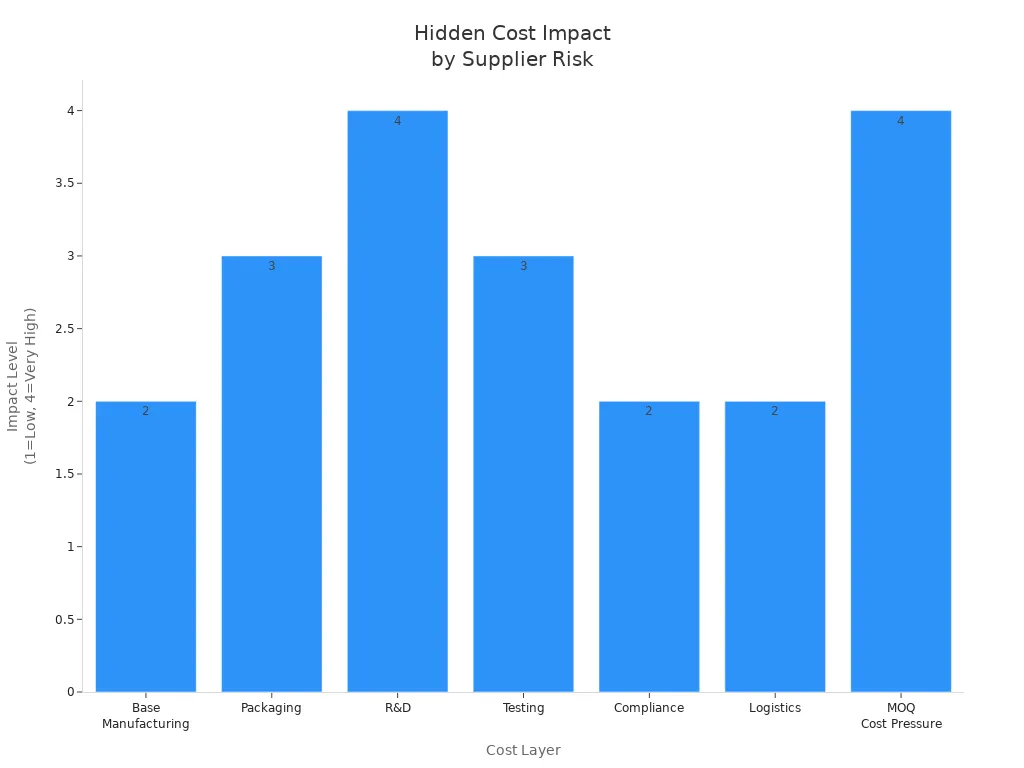
The table below shows how these risks can change your budget:
| Cost Layer | What It Includes | Impact Level |
|---|---|---|
| Base Manufacturing | Filling, formulation | Medium |
| Packaging | Bottles, pumps, boxes | High |
| R&D | Formula creation/revision | Very High |
| Testing | Stability, safety | High |
| Compliance | Label/legal approval | Medium |
| Logistics | Freight, warehousing | Medium |
| MOQ Cost Pressure | Bulk inventory lock | Very High |
Here is a real story. A new company wanted to sell a fancy skincare serum. They thought they would spend $3,900. But the final cost was $6,200. The extra money went to better packaging, changing the formula, testing, buying more stock, and new labels. This shows why you need to plan for every step in private label cosmetic manufacturing.
Overlooked Manufacturing Expenses
You might think you know all the costs in private label cosmetic manufacturing. But some costs are easy to miss. The price of raw materials, like plastic, can go up and down. You also pay for making the outside boxes. Other costs are salaries, power bills, and fixing machines. You must pay for moving and storing your products too.
- Raw materials for packaging
- Packaging materials for outer boxes
- Salaries, utilities, and maintenance
- Transportation and warehousing
If you order a lot at once, each item costs less. Custom molds can help you skip extra steps and save money. Good steel molds can make plastic packages cheaper over time.
You should look at more than just the main manufacturing cost. Many hidden costs in cosmetic manufacturing come from these small areas. If you do not plan for them, you might spend too much. Always ask your supplier for a full list of costs before you start.
Strategies to Avoid Hidden Costs
Work with Packaging Professionals
You can save money by working with packaging professionals. These experts help you make smart choices for your brand. They check the quality, so you get fewer broken products. You know when your packaging will arrive, so you do not have delays. Professionals talk to manufacturers for you. This helps you avoid mistakes and extra fees. You also do not pay extra costs from middlemen. Working with experts helps your packaging plan and makes your brand look better.
- Good quality control means you get fewer returns.
- On-time delivery keeps your launch running smoothly.
- Clear talks stop expensive mistakes.
- Buying straight from manufacturers saves you money.
Tip: Ask your packaging expert for samples before you buy a lot.
Early Compliance Checks
You should check rules early in your process. This step keeps your brand safe and helps you avoid fines. Early checks make sure you follow ingredient rules and do not use banned items. You check that your labels are right and match the rules for each place you sell. This keeps your packaging safe and legal.
- Watch ingredient limits.
- Look for banned items.
- Make sure labels are correct.
- Check claims for each region.
Note: Checking rules early helps you skip costly changes and delays.
Smart Material Choices
Picking the right materials saves you money over time. Eco-friendly packaging means you pay less to throw things away and use less oil. You can make your supply chain simpler and spend less on materials. When you make your design better, you use less material and pay less to make and ship your products.
- Recyclable and reusable materials last longer and cost less later.
- Better designs use less material and save money.
- Buying more at once can get you lower prices.
- Packaging that does more than one thing adds value and cuts waste.
- Green packaging helps people trust your brand, follow rules, and beat other brands.
Smart material choices help your brand stand out and make it stronger.
You should find hidden costs in cosmetic packaging early. If you miss these costs, your brand can look bad. Customers may stop trusting your products. Planning ahead helps you avoid mistakes. Experts can help you make good choices. Check your packaging plan often. Ask for help from professionals when you need it. This keeps your brand safe and your business strong.
Frequently Asked Questions About Hidden Cosmetic Packaging Costs
Learn the hidden costs of cosmetic packaging that first-time beauty brand owners often miss, including custom cosmetic tubes, MOQ costs, printing setup fees, sample development, sustainable cosmetic packaging and OEM cosmetic packaging expenses.
What are the hidden costs of cosmetic packaging?
Why do first-time beauty brands underestimate cosmetic packaging costs?
How does MOQ affect cosmetic packaging costs?
Do custom cosmetic tubes increase packaging costs?
What printing costs are common in cosmetic packaging?
Why do sustainable cosmetic tubes cost more?
Can packaging samples increase cosmetic packaging budgets?
What logistics costs should beauty brands consider?
How can beauty startups reduce cosmetic packaging costs?
Can cosmetic packaging suppliers help optimize packaging budgets?
Why is packaging testing important for cosmetic brands?
Why choose Xinfly Packaging for cosmetic tube packaging?
Need Cost-Effective Cosmetic Tube Packaging?
Xinfly Packaging helps beauty brands reduce hidden cosmetic packaging costs through flexible MOQ solutions, custom cosmetic tubes, sustainable packaging materials and professional OEM cosmetic packaging support.