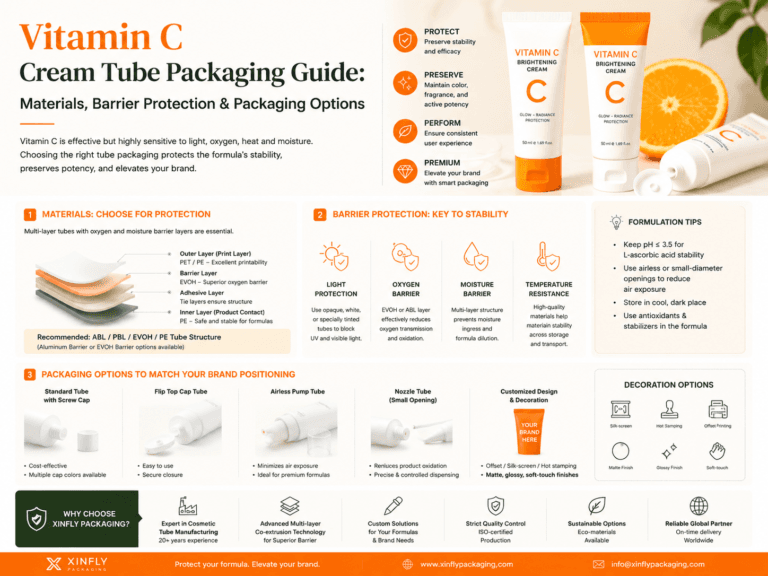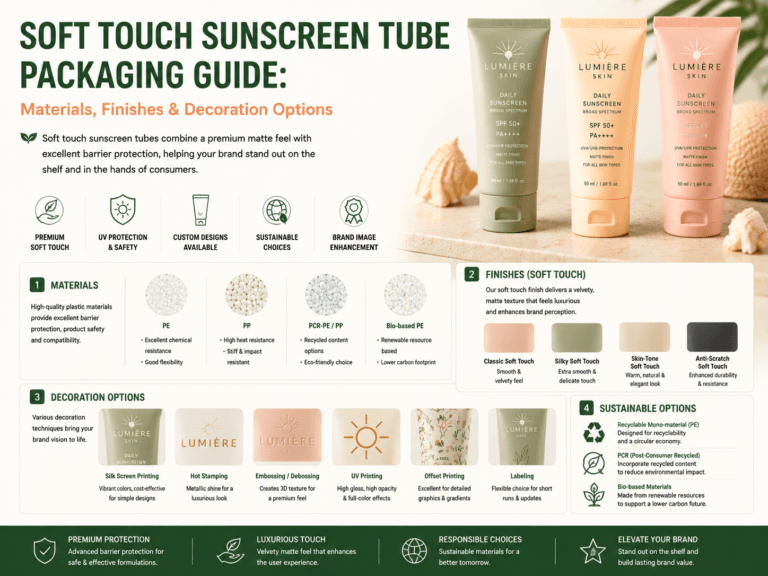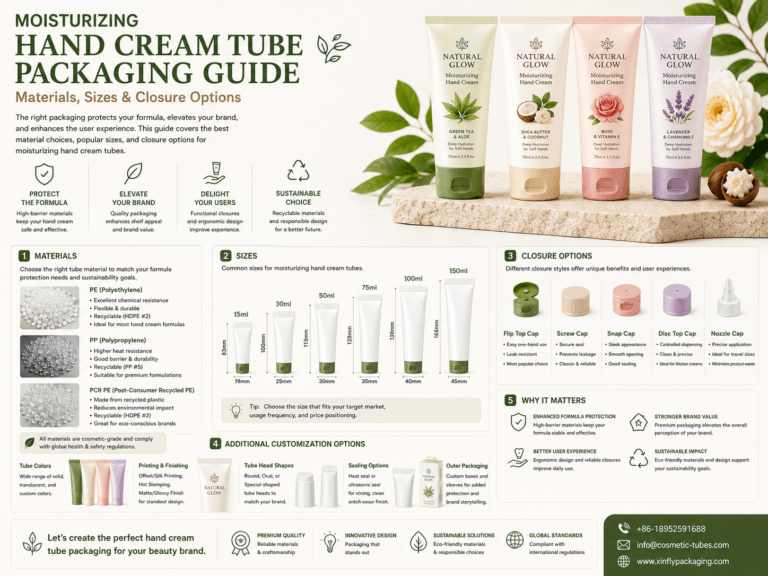

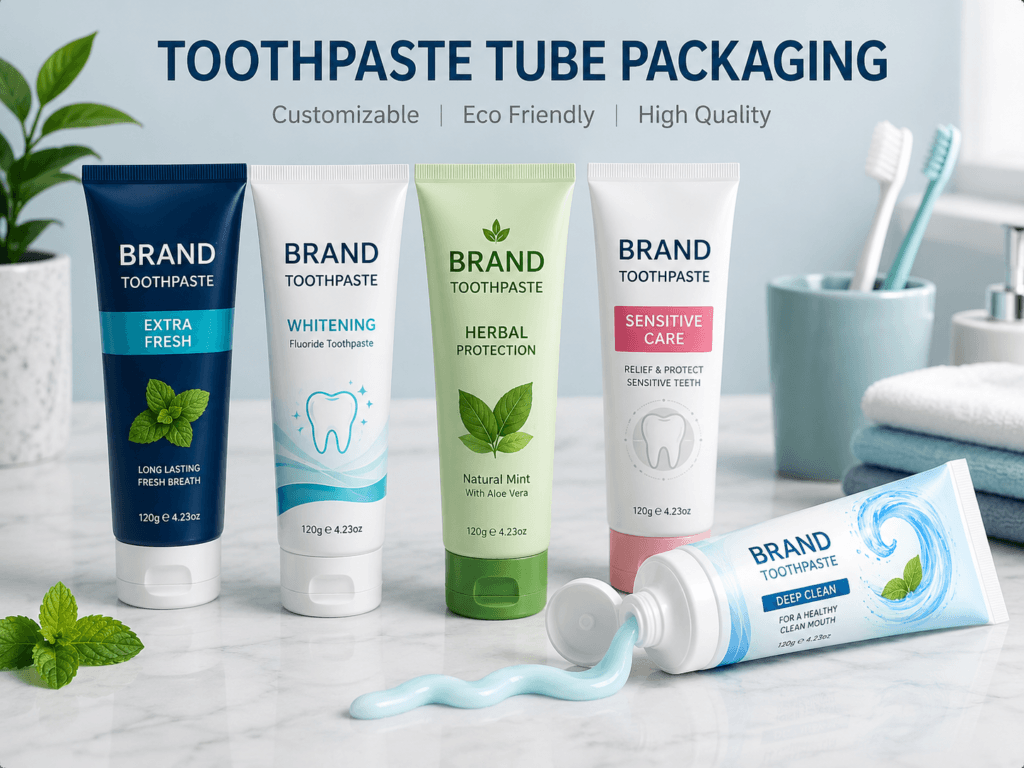
Making custom toothpaste tube packaging lets you control your brand’s look. It also helps the environment. In the last five years, the industry has changed a lot. People now want more eco-friendly toothpaste packaging. There are also stricter rules about packaging.
Colgate worked with recycling centers to solve recycling problems. Experts say, “Sortation and capture of HDPE tubes in materials recovery facilities are current obstacles preventing more communities from accepting HDPE tubes.”
You can pick from many types of materials and styles. Some tubes are refillable, recyclable, or compostable. This helps your toothpaste meet new packaging and eco-friendly rules.
Key Takeaways
- Custom toothpaste tube packaging helps people notice your brand more. It also makes your brand look better. Using eco-friendly materials like HDPE and aluminum is good for the planet. These materials help lower harm to the environment. Refillable and compostable tubes are good for people who care about the earth. They also help cut down on waste. Simple and clear designs on packaging make people trust your brand. They also help customers see what is good about your product. Keeping up with industry trends helps your brand change and meet what people want. Picking the right supplier helps your packaging stay good and eco-friendly. Making and testing samples helps you find problems before making a lot. Using ways to save money can keep quality high and lower packaging costs.
Custom Toothpaste Tube Packaging Overview
What Is Toothpaste Tube Packaging
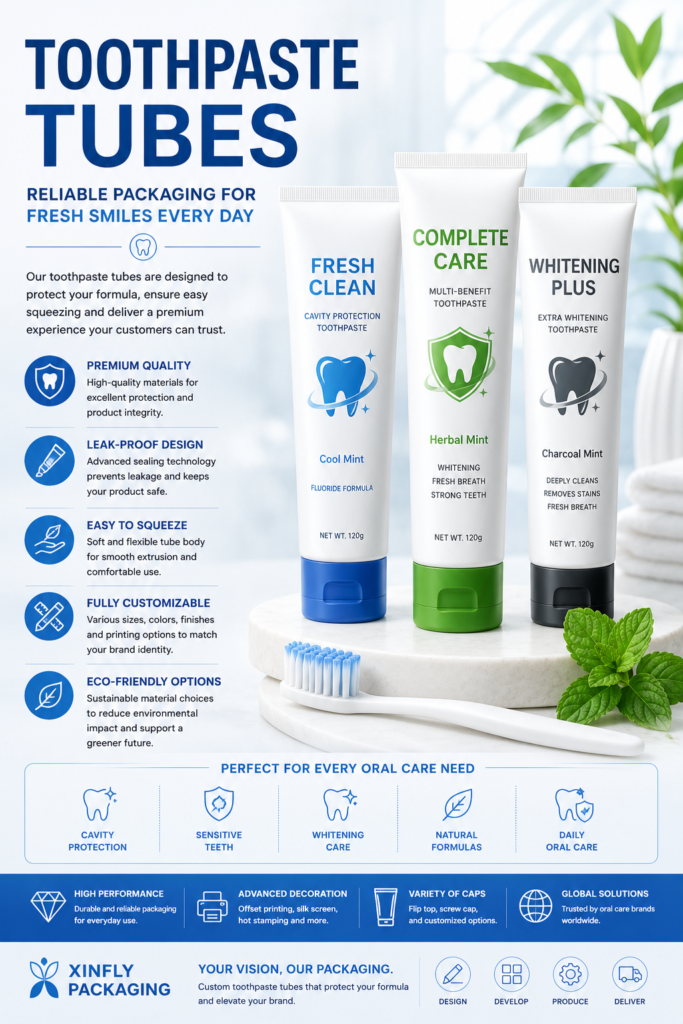
You see toothpaste tubes all the time. These tubes keep toothpaste safe from air and water. The packaging makes it easy to use toothpaste. There are many kinds of tubes you can pick. Each kind has special benefits for your brand and your customers.
Here is a table that lists the main types of toothpaste tubes and their good points:
| Type of Tube | Benefits | Best For |
|---|---|---|
| Plastic Toothpaste Tubes | Cheap, light, bendy, simple to decorate | Toothpaste on a budget, big brands |
| Laminated Toothpaste Tubes | Strong protection, great for printing designs | Fancy toothpaste, toothpaste with medicine |
| Mono-Material Recyclable Tubes | Can be recycled, looks new, protects well | Brands that care about the planet |
| Aluminum Toothpaste Tubes | Can be recycled, keeps toothpaste safe, looks fancy | Natural toothpaste, small luxury brands |
| Pump Bottles and Pump Tubes | New style, clean, easy to use | N/A |
You can also pick different shapes, sizes, and cap styles. Flip-top and screw caps are used a lot. Special caps can make your product look cool.
Industry Trends and Innovations
There are big changes in toothpaste tube packaging now. Brands want to use packaging that is better for the earth. Many companies use materials that can be recycled. Colgate-Palmolive made a tube from high-density polyethylene (HDPE). This tube can be recycled with other plastic bottles. Now, most toothpaste tubes in the US can go into HDPE recycling. This helps the earth and supports green ideas.
Some new things happening are:
- Tubes that can be recycled and are made from HDPE.
- Designs that other brands can use to help the planet.
- A plan for all tubes to be recyclable by 2025.
Here is a table that shows new ideas:
| Innovation | Description |
|---|---|
| Recyclable Tubes | Tubes made from HDPE, can be recycled with bottles |
| Industry Impact | Most tubes in the US now fit HDPE recycling, helping the planet |
Benefits of Custom Packaging
You get lots of good things when you use custom toothpaste tube packaging. Custom designs help your brand get noticed. You can pick materials that keep toothpaste safe and help the earth. Aluminum tubes keep air out, so toothpaste stays fresh longer. These tubes also make less trash and lower pollution.
Here is a table that lists the main good things:
| Benefit | Description |
|---|---|
| Sustainability | Aluminum tubes can be recycled, so there is less trash and pollution |
| Ingredient Protection | Airtight seals keep toothpaste fresh and good to use |
| Consumer Appeal | Strong designs make people like your product and keep it clean |
Custom packaging helps your brand show what it cares about. You can pick green choices and get customers who care about the earth.
Choosing Materials for Toothpaste Tubes
Plastic Tubes (HDPE, PP)
Durability and Cost
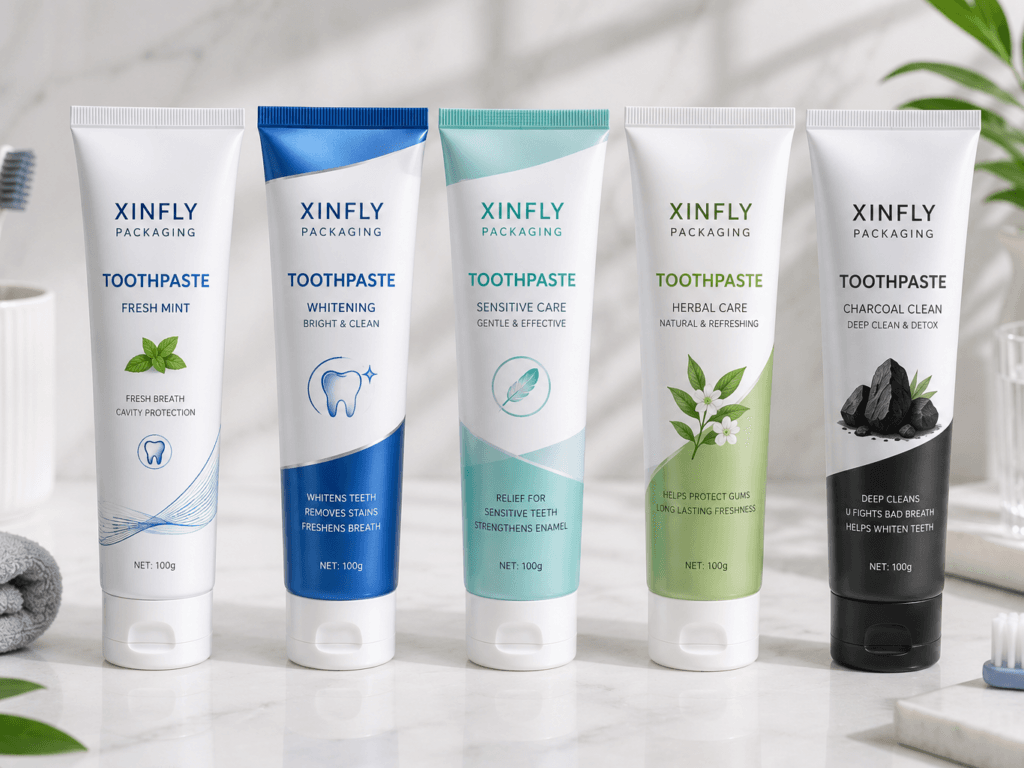
Plastic toothpaste tubes are everywhere. HDPE and PP are the main plastics. HDPE means high-density polyethylene. PP means polypropylene. These plastics make tubes strong and bendy. You can squeeze them easily. They do not break if dropped. HDPE tubes last a long time. They keep toothpaste safe from air and water. PP is used for caps because it snaps shut and stays tight.
Plastic tubes cost less than other types. You can buy lots at once. This saves money if you make lots of toothpaste. Decorating plastic tubes is easy. You can print bright colors and logos on them. This helps your product stand out in stores.
Recycling Challenges
Plastic toothpaste tubes have recycling problems. Many tubes use layers of different plastics and sometimes aluminum. These layers make recycling hard. Most recycling centers cannot separate the layers. So, many tubes end up in landfills.
HDPE tubes are better for recycling. They use only one plastic type. Many brands use HDPE tubes to help the planet. These tubes support recycling programs and cut landfill waste. Choosing HDPE tubes helps the environment.
PP is common for caps. Recycling PP is not as easy as HDPE. The recycling process depends on your local waste system. Some places recycle PP, but others do not. You need to check what your city accepts.
About 20 billion toothpaste tubes add to global waste each year. Making and throwing away toothpaste tubes creates carbon emissions and pollution.
Here are facts about plastic tubes and the environment:
- HDPE is tough and safe. It helps recycling efforts.
- Many brands use recyclable tubes to cut landfill waste.
- These tubes keep toothpaste usable and help the planet.
- Conventional tubes use many layers. This makes recycling hard.
- HDPE tubes are more recyclable than old multi-material tubes.
- PP is used for caps but has recycling challenges.
- Recycling depends on your local waste system.
Aluminum Tubes
Sustainability Benefits
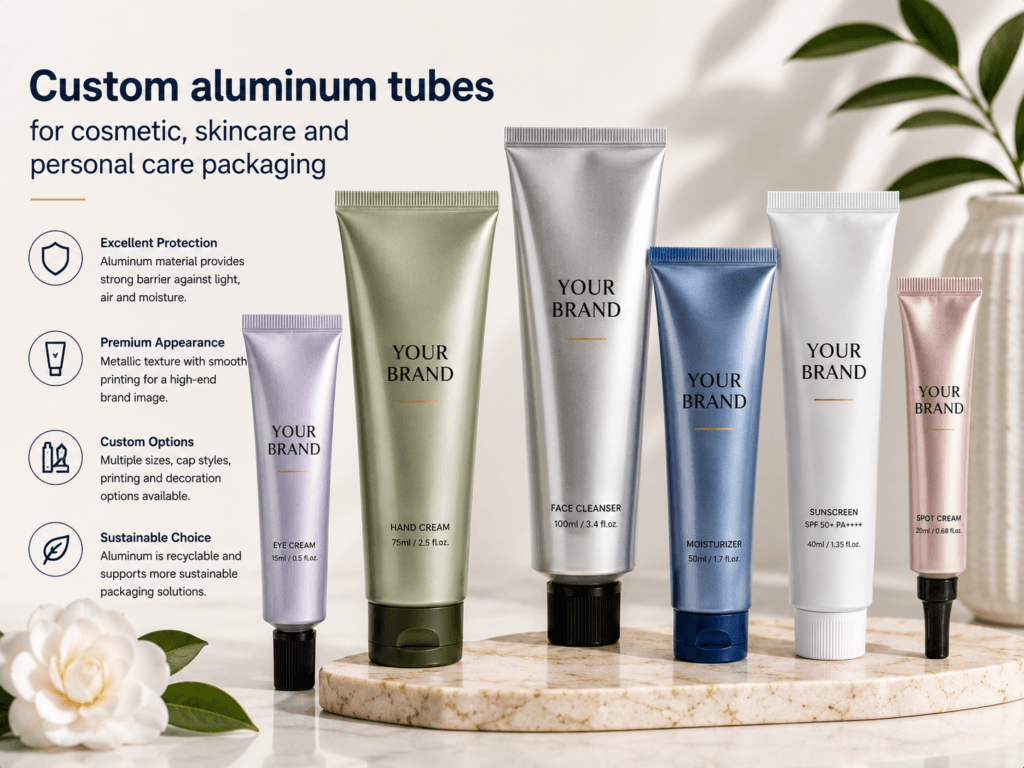
Aluminum tubes are a green choice for toothpaste. You can recycle aluminum many times without losing quality. This means less waste and less pollution. Aluminum tubes keep toothpaste fresh by blocking air and light. Picking aluminum tubes helps protect the planet.
Market Trends
Many brands use aluminum tubes for natural and luxury toothpaste. These tubes look shiny and feel special. You can recycle aluminum tubes almost everywhere. People like aluminum tubes because they are easy to recycle and good for the earth.
Here is a table comparing aluminum and plastic tubes:
| Feature | Aluminum Tubes | Plastic Tubes |
|---|---|---|
| Recyclability | Highly recyclable (infinite cycles) | Limited recyclability |
| End-of-life Impact | Lower when recycled | Higher with landfill disposal |
Paper-Based and Compostable Tubes
Eco-Friendly Features
Paper-based and compostable tubes are new for toothpaste. These tubes use paper or plant materials. You can compost them after use. They break down in nature and do not leave waste. Choosing compostable tubes helps the earth.
Compostable tubes use less plastic. They show your brand cares about the planet. Many customers like eco-friendly packaging. You can attract people who want green products.
Certification Standards
You need to check for certifications when picking compostable tubes. Look for labels like “compostable” or “biodegradable.” These labels mean the tubes meet strict rules. Some tubes have certifications from groups like ASTM or TÜV. These groups test the tubes to make sure they break down safely.
Tip: Always check for certification before buying compostable tubes. Certified tubes help you meet eco-friendly goals and build trust with customers.
Refillable Toothpaste Tubes
Refillable toothpaste tubes are changing how people use toothpaste. You can use the same tube again and again. This helps you make less trash and save money. Many brands now sell refillable toothpaste tubes. You fill the tube from a bigger container. This uses less plastic and helps the planet.
TSA-Approved Options
Traveling with toothpaste can be hard. You must follow TSA rules for liquids. Refillable toothpaste tubes let you pick how much to bring. Most tubes hold less than 3.4 ounces. This fits TSA rules for travel. You will not have trouble at airport security.
Pick tubes made from strong materials. Some tubes use silicone or tough plastic. These tubes do not leak. You can wash them easily. Many brands make tubes with tight caps. This keeps your toothpaste safe in your bag.
Tip: Always check your tube’s size before packing. Make sure it follows TSA rules. Pick tubes with leak-proof caps for trips.
Consumer Appeal
Refillable toothpaste tubes are liked by people who care about the earth. You use one tube many times. This makes less trash. You spend less money over time. Buying refills costs less than buying new tubes. You help the planet and save money.
Many customers like refillable tubes because they feel good about their choices. You show your brand cares about the earth. You can use strong materials like silicone or recycled plastic. Some brands use aluminum tubes for refillable systems. These tubes last longer and look cool.
Here is a table that compares refillable and regular toothpaste tubes:
| Feature | Refillable Toothpaste Tube | Traditional Toothpaste Tube |
|---|---|---|
| Reusability | Yes (use many times) | No (use once) |
| Environmental impact | Low (less trash) | High (more trash) |
| Initial cost | Higher at first | Lower at first |
| Long-term savings | High (refills cost less) | Low (buy more often) |
| Convenience | Moderate to high | High (ready to use) |
| Material composition | Strong, earth-friendly materials | Mixed plastic and aluminum |
Refillable toothpaste tubes have many good points. You make less trash and help the planet. You also save money over time. Brands with refillable tubes stand out in stores. You can earn trust from customers who want green products.
Packaging Formats and Solutions
Squeeze Tubes
Squeeze tubes are found in most bathrooms. They are the main way toothpaste is packed. You can squeeze out just what you need. These tubes are made from plastic or aluminum. They are light and simple to carry. Bright designs can be printed on them. This makes your brand easy to spot.
Squeeze tubes fit many kinds of toothpaste. They keep toothpaste safe from air and water. You can pick small tubes for trips or big ones for families. Most brands use squeeze tubes because they cost less. They are also simple to use.
Here is a table that shows how squeeze tubes and laminated tubes compare:
| Type of Tube | Advantages | Disadvantages |
|---|---|---|
| Squeeze Tubes | Cheap, light, easy to use, bendy, recyclable | Not great for sensitive formulas, recycling depends on where you live |
| Laminated Tubes | Strong barrier, nice printing, bendy, looks good | Harder to recycle, costs more, tough to make |
Laminated Tubes
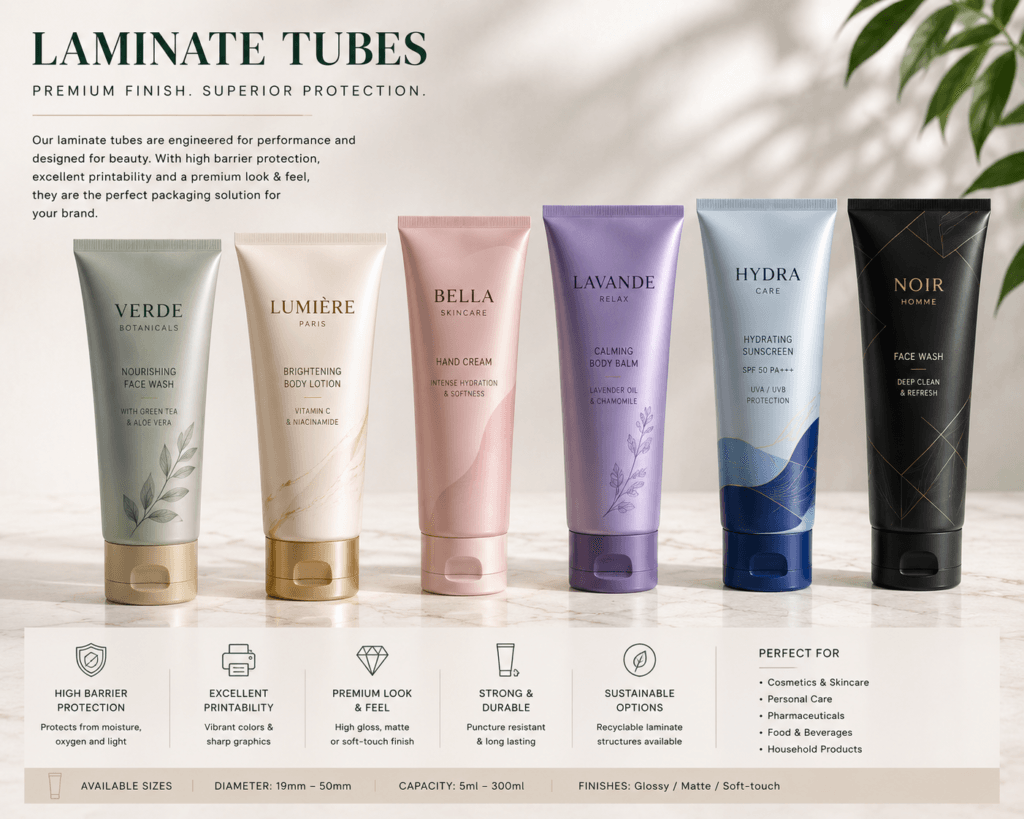
Laminated tubes have layers of plastic and sometimes aluminum. These layers keep toothpaste safe from air, light, and germs. Your toothpaste lasts longer in these tubes. Laminated tubes look shiny and smooth. You can print clear pictures on them.
You might use laminated tubes for whitening or medicated toothpaste. These tubes protect important ingredients. Laminated tubes cost more than plastic tubes. They are harder to recycle because they use mixed materials. Some brands use mono-material laminated tubes to help recycling.
Tip: Laminated tubes are good if you want a fancy look and need to protect special toothpaste.
Toothpaste Tablets Packaging
Toothpaste tablets are a new idea in oral care. You chew a tablet and then brush your teeth. Tablets do not need water in them, so they last longer. You can pack tablets in glass jars, metal tins, or compostable bags. This helps cut down on plastic waste.
More people are buying toothpaste tablets now. Many want packaging that is better for the earth. You see more brands selling tablets in North America and Asia Pacific. The global market for toothpaste tablets was $86.9 million in 2024. Experts think it will grow by 7.5% each year until 2034. Higher income and online shopping help this trend.
- Toothpaste tablets help cut plastic waste.
- Tablets are easy to take when you travel.
- Brands use simple and clean designs for tablet packaging.
If you want your brand to stand out and show you care about the earth, toothpaste tablet packaging is a smart choice. You can use refillable jars or compostable bags to get eco-friendly shoppers.
Toothpaste Pumps
Toothpaste pumps give you a new way to use toothpaste tubes. You press the pump, and the right amount comes out. This makes brushing easier for kids and adults. Pumps keep the tube clean. You do not need to squeeze or roll the tube. The pump works until the last bit of toothpaste is gone.
You see pumps in many bathrooms now. They help people with limited hand strength. The pump design stops messes and waste. You can use pumps for gel or paste formulas. Some brands use pumps for whitening toothpaste. Pumps also work well for families. Each person gets the same amount every time.
Toothpaste pumps use strong plastic. The pump keeps air out. This protects the toothpaste inside. You can recycle some pumps, but not all. Check your local recycling rules. Pumps cost more than regular toothpaste tubes. You pay more at first, but you waste less toothpaste.
Here are reasons to pick toothpaste pumps:
- Pumps give you the right amount every time.
- They keep the tube clean and neat.
- Pumps help people with hand problems.
- You waste less toothpaste.
Tip: If you want less mess and easy use, try toothpaste pumps. They work well for busy families and people who need help squeezing tubes.
Custom Toothpaste Boxes
Custom toothpaste boxes help your product stand out on store shelves. You can use boxes to protect toothpaste tubes during shipping. Boxes also show your brand’s style. You pick colors, logos, and designs that match your brand.
You need to think about several things when designing custom toothpaste boxes. Pick strong materials like cardboard or paperboard. These materials protect toothpaste tubes and support sustainability. Use bright colors and clear fonts to catch shoppers’ eyes. Make sure the box opens easily and seals tight. Some boxes have special features like windows or easy-open tabs.
Many shoppers care about the planet. You can use eco-friendly materials for your boxes. This shows your brand cares about the environment. Custom boxes also help with shipping. They keep toothpaste tubes safe from bumps and drops.
Here is a table that shows what to think about when designing custom toothpaste boxes:
| Key Consideration | Description |
|---|---|
| Material Selection | Choose strong and eco-friendly materials like cardboard and paperboard for protection and sustainability. |
| Visual Appeal and Branding | Use bright colors and special fonts to attract attention and show your brand identity. |
| Functionality and User Experience | Make sure the box opens easily, seals tight, and has features that help users. |
| Sustainability | Design with eco-friendly materials to appeal to shoppers who care about the planet. |
Note: Custom toothpaste boxes help your brand look good and protect your product. You can use boxes for display and shipping. Pick designs that match your brand and use materials that help the planet.
Sustainable Toothpaste Packaging Design
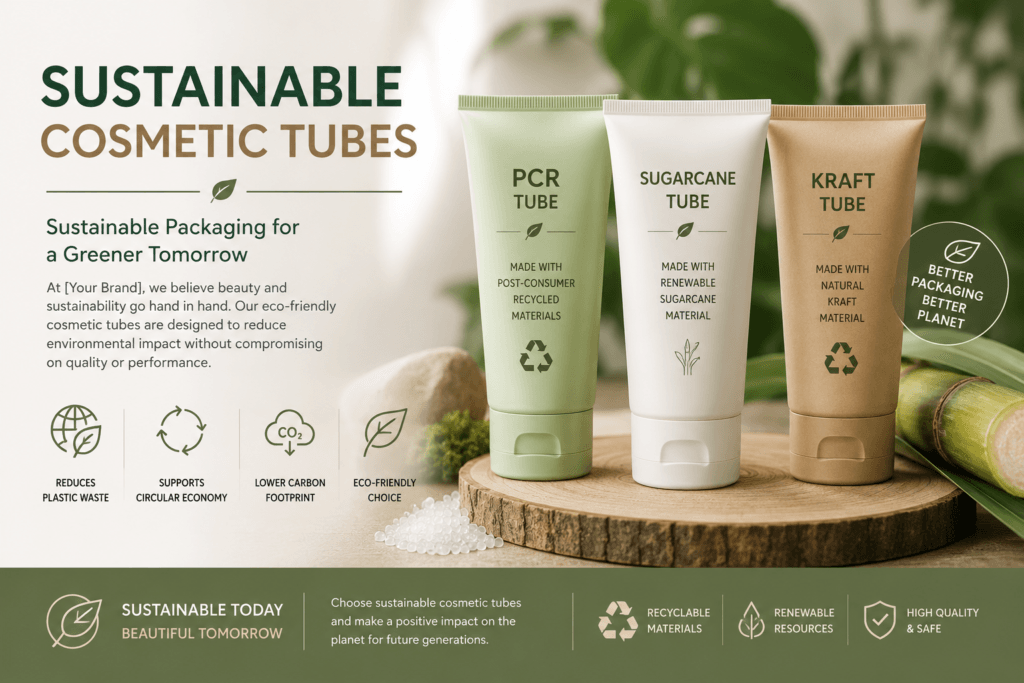
Making sustainable toothpaste packaging helps your brand stand out. It also helps the planet. You can make smart choices to show you care. This section will help you with branding, picking materials, and design ideas for eco-friendly packaging.
Branding Elements
Logo and Graphics
Your logo and graphics are what people see first. You want your design to be simple and clear. A strong logo helps shoppers remember your brand. Use graphics to show what makes your toothpaste special. For example, you can highlight fresh breath or whiter teeth. Many people trust dentist recommendations, so you can add a dentist-approved badge.
- Simple designs help people understand your product fast.
- Clear graphics make your toothpaste easy to spot.
- Show benefits like fresh breath and whiter teeth.
- Dentist recommendations help shoppers trust your brand.
Tip: Simple and clear advertising works better than complex designs. Show your product’s best features right on the package.
Color and Typography
Colors and fonts help set the mood for your brand. Pick colors that match your brand’s values. Green and blue often show a product is eco-friendly. Use easy-to-read fonts so shoppers find important information quickly. Large, bold letters help your product stand out.
- Use green or blue to show your product is eco-friendly.
- Choose fonts that are easy to read from far away.
- Keep your design clean and not too busy.
Good color and font choices make your toothpaste look modern and trustworthy.
Eco-Friendly Materials
Recyclable Plastic Tube
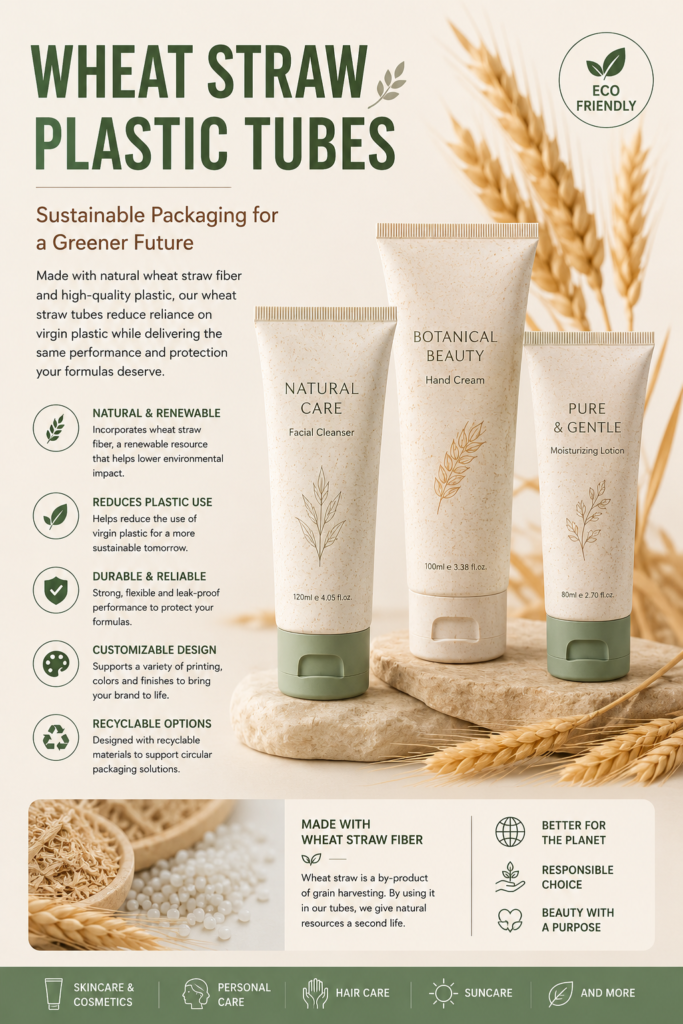
Switching to a recyclable plastic tube can help your brand cut waste. Colgate uses recyclable plastic tubes to support recycling programs. These tubes use one type of plastic, so they are easier to recycle. You can tell your customers your packaging helps keep the planet clean.
Compostable and Biodegradable Options
You can use compostable or biodegradable tubes. These break down in nature and do not leave harmful waste. Many brands use FSC-certified board, which contains recycled content and supports forests. You can try fibers like hemp, bamboo, or sugarcane. These materials are plastic-free and tree-free. Toothpaste tablets often come in tins, glass jars, or compostable bags, which cut down on waste.
- FSC-certified board supports sustainability.
- Hemp, bamboo, and sugarcane are plastic-free options.
- Compostable bags and jars help reduce plastic waste.
Note: Picking eco-friendly materials shows your brand cares about the earth. It attracts shoppers who want green products.
Minimalist and Sustainable Design
Packaging Reduction
Minimalist design means using less packaging. You can cut out extra boxes or plastic wraps. Eco-friendly toothpaste tubes made from paper-based materials are a good choice. Solid toothpaste tablets use small, recyclable packages. Some brands use hanging packaging to save space and reduce waste.
- Less packaging means less trash.
- Simple designs use fewer resources.
- Hanging tubes use less material and look good in stores.
Consumer Communication
You need to tell your customers about your eco-friendly choices. Use clear labels to show your packaging is recyclable, compostable, or biodegradable. Share your story on the box or tube. Explain how your packaging helps the planet. Simple messages work best.
- Use labels like “recyclable,” “compostable,” or “biodegradable.”
- Share facts about your materials and design.
- Keep your message short and easy to read.
Callout: Colgate’s move to recyclable tubes set a new standard for the industry. You can follow this example and highlight your own eco-friendly steps.
A table below shows some popular sustainable packaging trends:
| Trend | Description |
|---|---|
| Eco-friendly toothpaste tubes | Paper-based tubes as a plastic alternative |
| Solid toothpaste tablets | Compact, recyclable packaging to cut waste |
| Biodegradable tubes | Tubes that break down safely in nature |
| Minimalist packaging design | Simple, clean look that uses less material |
| Hanging packaging | Tubes designed to hang, saving space and resources |
When you design with the planet in mind, you help your brand and the environment. You also meet the needs of shoppers who want sustainable choices.
Comparing Eco-Friendly Packaging Options
You can pick from many eco-friendly toothpaste packages. Each type has good points and some problems. This section helps you look at recyclable, compostable, and biodegradable tubes. You can find the best one for your brand.
Recyclable Toothpaste Tubes
Mono-Material Solutions
Mono-material tubes use just one material. This makes recycling simple for you and your customers. HDPE tubes are the most common. Brands like Colgate and Hello use HDPE tubes. HDPE means high-density polyethylene. You can recycle these tubes in most plastic bins.
- HDPE tubes use only one plastic.
- You can recycle them with other household plastics.
- Big brands use HDPE tubes to help recycling.
Aluminum tubes are another choice. They protect toothpaste well and can be recycled many times. These tubes cost more and dent easily. But they keep toothpaste safe.
Recycling Processes
You need to know how recycling works for these tubes. Most recycling centers take HDPE tubes. Some places have limits. Always check your local recycling rules. Aluminum tubes go in metal recycling bins. You can recycle them again and again.
Here is a table to help you compare recyclable tube options:
| Type | Material Composition | Pros and Cons |
|---|---|---|
| HDPE Tubes | High-Density Polyethylene | Easy to recycle; depends on local programs |
| Aluminum Tubes | Aluminum | Endlessly recyclable; higher cost; dents easily |
Note: 91% of toothpaste packaging is now reusable, recyclable, or compostable. Colgate’s portfolio includes 80% recyclable tubes.
Compostable Packaging
Material Types
Compostable toothpaste tubes use plant materials. You may see cellulose or special plant polymers in these tubes. Some brands use paper-based laminates. These tubes break down in compost and do not leave bad waste. They often use water-soluble glue to help them break down.
- Cellulose and plant polymers are used a lot.
- Paper-based laminates are also common.
- Compostable tubes make less pollution.
Certification
You should look for certifications when you pick compostable packaging. The OK Compost INDUSTRIAL label means the tube breaks down in a big compost facility. The OK Compost HOME label shows the tube breaks down in a home compost bin. The EN 13432:2002 mark is also important. It checks that the tube will biodegrade and break apart safely.
- OK Compost INDUSTRIAL: For big composting centers.
- OK Compost HOME: For home compost bins.
- EN 13432:2002: Checks if the tube breaks down safely.
Tip: Always check for these certifications to make sure your packaging meets compostable standards.
Biodegradable Tubes
Market Adoption
Biodegradable tubes are getting more popular. You see them made from cellulose or plant polymers. These tubes are made to break down after use. Some brands use water-soluble glue to help tubes break down faster. Biodegradable tubes cost more and are not as common as plastic or aluminum tubes.
- Biodegradable tubes are good for the earth.
- They may not last as long.
- You see them in stores more often now.
Environmental Impact
Biodegradable tubes help cut waste. They break down in nature and do not leave bad stuff. You help the planet by picking these tubes. They make less pollution than regular plastic tubes. You may pay more, but you show your brand cares about the earth.
Here is a quick comparison:
| Type | Material Composition | Pros and Cons |
|---|---|---|
| Biodegradable Tubes | Cellulose or plant polymers | Compostable; eco-friendly; higher cost; less common |
Picking the right eco-friendly tube helps your brand and the planet. You can stand out by choosing packaging that matches your values.
Finalizing Design and Production
Prototyping and Testing
You begin by making a model of your toothpaste tube. This model is called a prototype. Prototyping lets you see how your tube will look and feel. You try out different designs to find what works best for your brand and customers. Here are the steps you follow to make and test your custom toothpaste tube:
- Pick the barrier type you want. You can choose ABL or PBL. Each one keeps your toothpaste safe in a different way.
- Choose the cap style. Flip-top caps are simple to open. Stand-up caps help your tube stand up straight.
- Plan your branding. Multi-color offset printing shows your logo and pictures clearly.
- Test the tube’s strength. Make sure it does not break or leak. See how easy it is to squeeze out toothpaste.
- Think about the planet. Pick materials and designs that are good for the earth.
- Check if your tube meets the rules. Make sure it is safe and follows environmental laws.
Prototyping and testing help you find problems early. You can fix mistakes before making lots of tubes. This makes sure your packaging works well for your customers.
Tip: Always let real people try your prototype. Ask them if it is easy to use and if they like how it looks.
Supplier Selection
Choosing the right supplier is very important. You want someone who knows what you need and can make good packaging. Use these things to pick the best supplier for your custom toothpaste tube:
| Criteria | Description |
|---|---|
| Experience in Custom Packaging | Find suppliers who know how to make custom toothpaste tubes. |
| Minimum Order Quantities (MOQs) | Make sure their minimum order fits your needs. |
| Lead Time | Pick a supplier who can finish your order on time. |
| Sustainability Credentials | Choose suppliers who use eco-friendly materials and have green certifications. |
Ask suppliers about their past work. Check if they can make your design and use your materials. Ask for samples to see if their quality is good. Make sure they follow green rules.
Note: A good supplier saves you time and money. They also help your brand be more eco-friendly.
Production Process
After you finish testing and pick your supplier, you start making the tubes. You and your supplier plan the steps for making your packaging. First, you agree on the final design and materials. The supplier gets the molds and printing plates ready. They make a small batch for you to check.
You look at the sample batch to see if it is good. If you like it, you say yes to making more. The supplier makes the tubes, prints your logo, and puts on the caps. You watch the process to catch mistakes early.
You also plan how to pack and ship the tubes. Use strong boxes to keep the tubes safe during shipping. Check each batch to make sure it meets your standards before sending them to stores.
Callout: Stay part of the process while making your tubes. Checking often helps you keep quality high and avoid big mistakes.
Quality Control
Quality control makes sure your toothpaste tube packaging is safe and works well. You want every tube to be good before customers get them. First, you check the raw materials. You look at plastics, aluminum, and paper-based materials. They must be clean and not have any problems. You also check if the caps and labels match your design.
You must follow Good Manufacturing Practice, called GMP. This means your factory must stay clean. Workers must wash their hands and follow hygiene rules. You use air filters like HEPA filters. These filters take dust and germs out of the air. You keep clean areas away from dirty areas. This stops germs from spreading and keeps tubes safe.
You clean equipment and surfaces often. You test your tubes while making them. In-process quality control checks each step. You look for leaks, cracks, or mistakes in printing. You also test for germs like bacteria, yeast, and mold. You want your toothpaste tubes to stay safe and fresh.
You check for heavy metals like lead and mercury. These metals are bad and should not be in your packaging. You make sure tubes and caps fit tight. You check if labels are correct. Tamper-evident seals show if someone opened the product.
Before shipping, you do a final check. The quality team looks at the finished tubes. They say yes or no to the batch and write down what they find. This helps you fix problems fast if something goes wrong.
Here is a table that shows common quality control steps:
| Quality Control Measure | Description |
|---|---|
| Good Manufacturing Practice (GMP) Compliance | Hygiene, equipment sanitation, and personnel practices. |
| Air Filtration Systems | HEPA filters remove airborne particles. |
| Zoning | Clean and non-clean zones prevent cross-contamination. |
| Regular Cleaning Schedules | Routine sterilization of equipment and surfaces. |
| In-Process Quality Control (IPQC) | Monitoring production stages to meet specifications. |
| Microbial Load Testing | Testing for bacteria, yeast, mold, and pathogens. |
| Heavy Metal Screening | Detecting harmful metals like lead and mercury. |
| Packaging Quality Assurance | Checking tube and cap integrity, label accuracy, and tamper-evident seals. |
| Final Batch Release and Documentation | Final inspection and approval before shipping. |
Tip: Always keep records of your quality checks. Good records help you fix problems fast and show customers you care about safety.
When you follow these quality control steps, customers trust you more. You keep your brand safe and make sure your toothpaste tubes are clean and ready to sell.
Tips for Success with Toothpaste Tube Packaging
Common Mistakes
You want your toothpaste tube to stand out, but some mistakes can hurt your brand. Many brands make their designs too busy or unclear. When you use too many claims on your packaging, shoppers get confused. For example, if you say your toothpaste whitens, fights cavities, helps gums, and freshens breath all at once, people may not know what your product does best. This confusion can make shoppers pick another brand.
Shoppers look for toothpaste that solves their main problem, like sensitive teeth or bad breath. If your packaging tries to solve every problem, it does not connect with anyone. You should keep your message clear and simple. Focus on one or two main benefits. This helps shoppers trust your product and feel confident when they buy it.
Tip: Clear and focused packaging builds trust. Avoid making too many claims or using complicated designs.
Cost-Saving Strategies
You can save money on your custom toothpaste tube packaging by making smart choices. Here are some proven strategies:
| Strategy | Description |
|---|---|
| Material Optimization | Choose affordable but strong materials. Design your tube to use less material and create less waste. |
| Design Efficiency | Simple designs use fewer resources and take less time to make. This lowers your costs. |
| Automation | Use machines to make your packaging. This speeds up production and keeps quality high. |
| Lean Manufacturing Principles | Cut out steps that waste time or materials. Make your process smooth and cost-effective. |
You can ask your supplier about ways to use less material or switch to more affordable options. Simple designs not only save money but also look modern and clean. Automation helps you make more tubes faster and with fewer mistakes. Lean manufacturing helps you spot and remove waste in your process.
Note: Saving money does not mean you have to lower quality. Smart choices help you keep costs down and still deliver great packaging.
Staying Ahead of Trends
The toothpaste market changes quickly. You need to watch for new trends to keep your brand strong. Many shoppers now want eco-friendly packaging. You can use recyclable, compostable, or refillable tubes to meet this demand. Brands like Colgate lead the way with recyclable tubes. You can follow their example and show your customers you care about the planet.
Stay updated by reading industry news and talking to your suppliers. Try new ideas, like toothpaste tablets or minimalist designs. Listen to what your customers want. If you see more people asking for green packaging, make the switch early.
- Watch for new materials and designs.
- Test new ideas with small batches before a big launch.
- Ask for feedback from shoppers and stores.
Callout: Brands that adapt to trends grow faster and build loyal customers. Stay curious and open to change.
By avoiding common mistakes, using cost-saving strategies, and staying ahead of trends, you can create toothpaste tube packaging that works for your brand and your customers.
You can make your own toothpaste tube packaging by following easy steps. First, pick materials that fit your brand and help the earth. Big brands use recyclable mono-material tubes to show they care about the planet. To begin:
- Switch to recyclable or compostable materials.
- Team up with suppliers for green choices.
- Tell your customers about eco-friendly packaging.
Keep learning about new trends and changes in the industry. This helps your brand stay trusted and strong.
Frequently Asked Questions About Custom Toothpaste Tube Packaging
Learn about custom toothpaste tube packaging for oral care brands, including toothpaste tubes, laminated toothpaste tubes, PE toothpaste tubes, private label toothpaste packaging, sustainable tube packaging and OEM toothpaste tube manufacturing solutions.
What is custom toothpaste tube packaging?
What materials are used for toothpaste tubes?
Why are laminated toothpaste tubes popular?
Can toothpaste tubes be customized with logo printing?
What sizes are available for toothpaste tube packaging?
Are sustainable toothpaste tubes available?
What is the difference between ABL and PBL toothpaste tubes?
Can toothpaste tube packaging support private label brands?
What cap styles are available for toothpaste tubes?
What should I confirm before ordering custom toothpaste tubes?
Can Xinfly Packaging support OEM toothpaste tube manufacturing?
Why choose Xinfly Packaging for toothpaste tube packaging?
Need Custom Toothpaste Tube Packaging?
Xinfly Packaging helps oral care brands create custom toothpaste tubes, laminated toothpaste tube packaging, private label toothpaste packaging and sustainable tube packaging with premium printing, flexible MOQ, sample development and OEM manufacturing support.